Mechanical, electrical, and plumbing systems have become increasingly complex as commercial and industrial buildings incorporate more equipment into tighter spaces. Coordinating these systems requires support structures that can adapt to design revisions, field conditions, and changing project requirements without creating unnecessary delays. Adjustable MEP support frames provide a practical alternative to traditional welded supports by allowing installers to modify and expand support systems throughout construction. Rather than relying on field welding or extensive fabrication, modular framing components can be repositioned, resized, or reconfigured with standard hardware. This flexibility makes adjustable MEP support frames well suited for projects where coordination between multiple trades is a priority. This article explains how adjustable support frames work, how they compare to welded systems, and why they have become a preferred solution for many modern construction projects.
What Is an Adjustable MEP Support Frame?
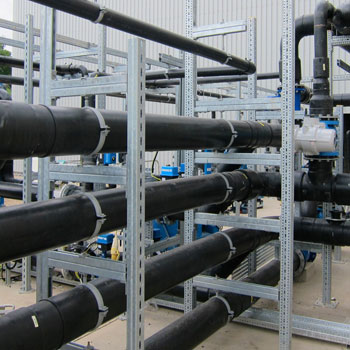
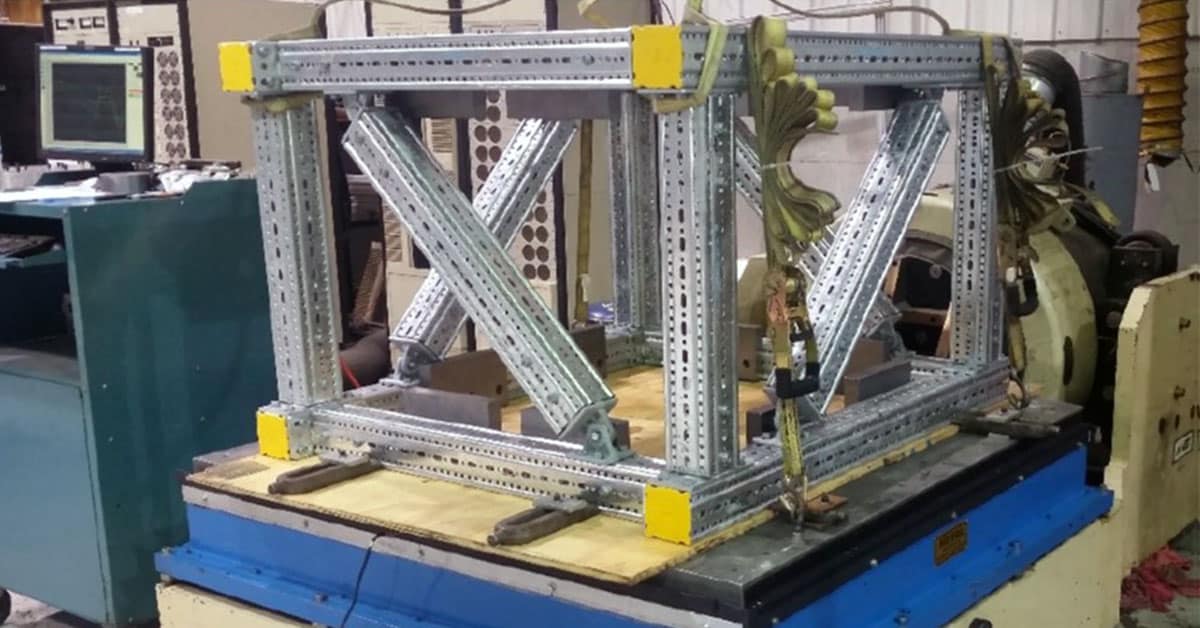
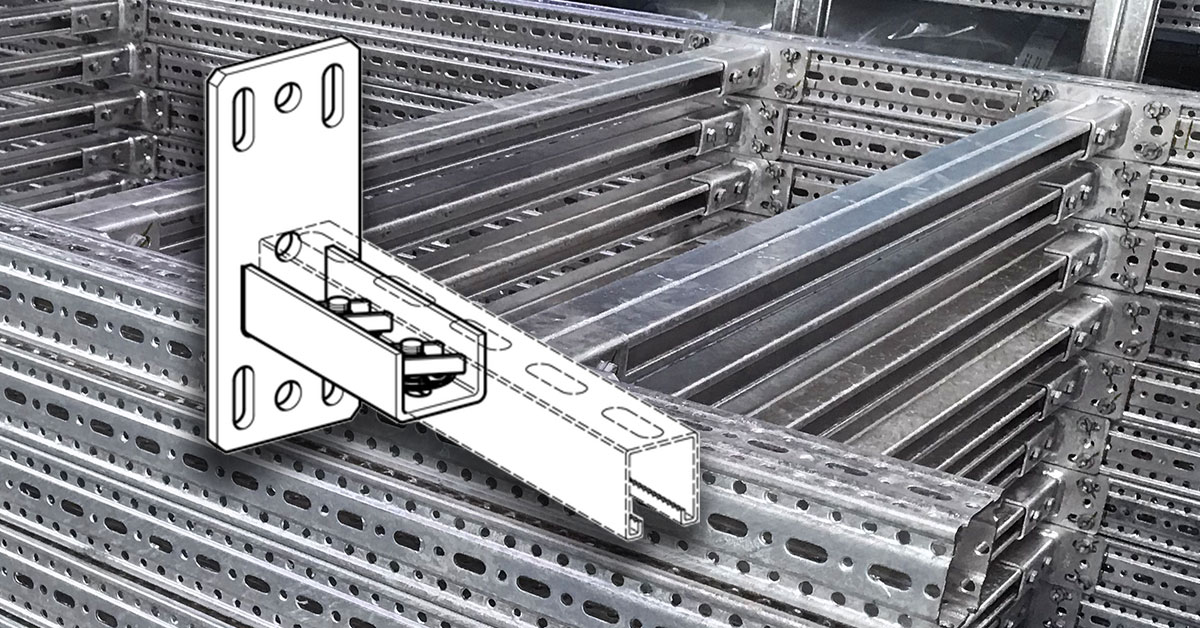
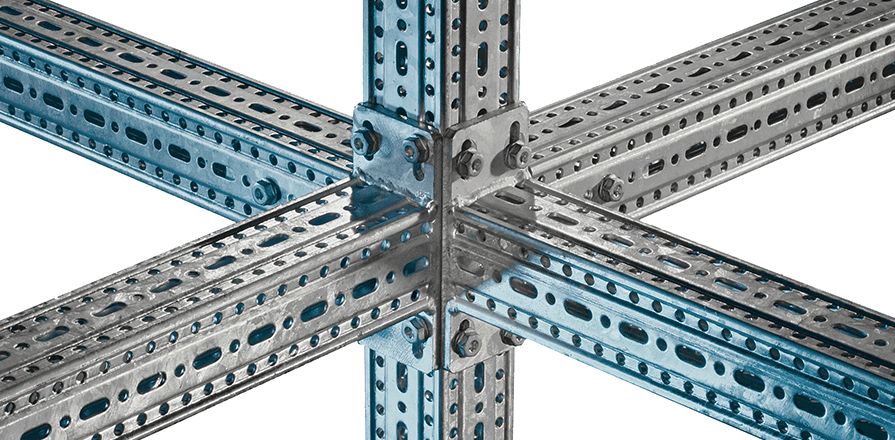
An adjustable MEP support frame is a modular structural support system designed to carry mechanical, electrical, and plumbing services such as HVAC ductwork, process piping, conduit, cable trays, and related building systems. Unlike fixed fabricated supports, these frames are assembled from standardized structural channels, fittings, brackets, and hardware that can be adjusted throughout installation. Components are connected using bolted connections rather than permanent welds, allowing installers to modify the frame as project conditions change. Because the system is modular, additional framing members can be incorporated without replacing the entire assembly. This approach gives contractors greater flexibility when accommodating design revisions or unforeseen field conditions. Adjustable frames are commonly manufactured from galvanized steel or other corrosion-resistant materials suitable for long-term service in commercial and industrial environments.
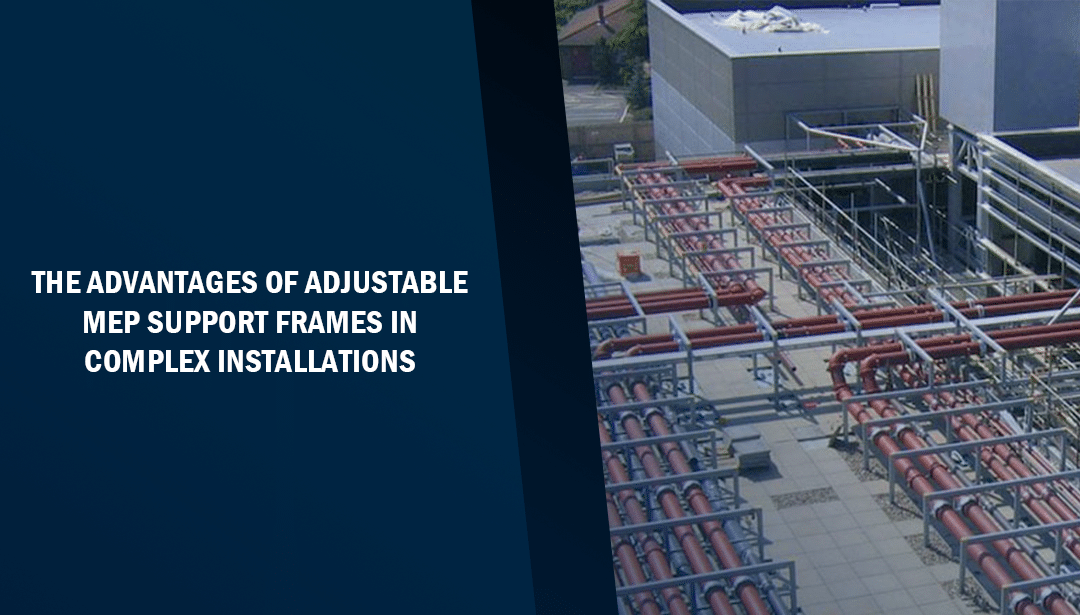
These support systems are particularly valuable where multiple building services occupy the same overhead space. Mechanical contractors, electricians, plumbing installers, and fire protection trades often share congested corridors, equipment rooms, and utility spaces that require careful coordination. Adjustable frames allow each service to be independently supported while maintaining organized routing throughout the structure. Their modular configuration simplifies coordination during construction and provides future flexibility if equipment is added or existing utilities require relocation. Facilities such as hospitals, manufacturing plants, laboratories, and data centers frequently benefit from this adaptability because infrastructure changes often occur throughout the building’s service life. The result is a support system designed to accommodate both current construction needs and future facility modifications.
How Are Adjustable Frames Different from Welded Frames?

Traditional welded support frames have long been used to support building services because they provide high structural capacity and permanent connections. However, welded assemblies are fabricated to predetermined dimensions, making field modifications more difficult once installation begins. If equipment locations change or routing conflicts arise, crews may need to cut apart welded assemblies, fabricate replacement sections, and perform additional welding before work can continue. These modifications require additional labor, specialized equipment, and qualified personnel while increasing installation time. Welding operations may also require permits, fire watches, or temporary shutdowns depending on the project environment. As construction schedules become more compressed, these factors can create unnecessary delays.
Adjustable MEP support frames eliminate many of these limitations by replacing permanent welds with bolted mechanical connections. Installers can reposition framing members, relocate supports, or expand the system using common hand tools without performing hot work. The modular design reduces the need for field fabrication while simplifying transportation and staging because individual components can be delivered in manageable sections. Many adjustable framing systems also weigh less than comparable welded assemblies while maintaining the structural performance required for commercial applications. This makes handling and installation easier for construction crews working in elevated or confined spaces. As prefabrication and modular construction continue to grow, adjustable support systems align well with construction methods focused on reducing field labor and increasing installation efficiency.
Advantages of Adjustable Frames in Complex Construction Environments

Large construction projects frequently undergo design revisions as equipment selections, utility routing, and architectural coordination evolve throughout the project. Adjustable MEP support frames provide flexibility that allows contractors to respond to these changes without rebuilding complete support structures. Individual framing members can be repositioned to accommodate revised piping elevations, ductwork clearances, or additional conduit runs while preserving the overall support system. This adaptability reduces material waste because existing components can often be reused instead of discarded. It also allows project teams to respond more quickly when coordination conflicts are identified during construction. As a result, schedule impacts associated with support modifications can often be minimized.
Adjustable framing systems also improve coordination between multiple building trades by consolidating mechanical, electrical, and plumbing services onto a common support structure. Rather than installing separate supports for each utility, project teams can organize multiple systems within a single engineered frame. This approach helps maximize available ceiling space while maintaining clear access for maintenance personnel after construction is complete. Reduced field welding, simplified installation, and fewer individual support assemblies contribute to a cleaner finished installation. Building owners also benefit from easier future modifications because additional utilities can often be incorporated into the existing framework. These characteristics make adjustable frames particularly valuable for facilities expected to expand or adapt throughout their operating life.
How Adjustable Frames Improve Job Site Safety and Efficiency

Reducing field welding can significantly simplify construction activities on active job sites. Adjustable MEP support frames eliminate many hot work operations that would otherwise require welding permits, fire protection measures, and specialized safety procedures. Installers assemble the framing system using mechanical fasteners, reducing exposure to welding fumes, sparks, and elevated temperatures. The absence of hot work can be especially beneficial in occupied buildings, healthcare facilities, manufacturing plants, and renovation projects where fire risk must be carefully managed. Contractors also avoid transporting welding equipment into confined mechanical spaces where access may already be limited. These factors contribute to a more efficient installation process while reducing potential safety concerns associated with field fabrication.
Pre-engineered framing components also improve installation accuracy by reducing manual measuring, cutting, and fabrication performed in the field. Standardized connection methods help maintain consistent assembly practices throughout the project while minimizing installation errors. Because adjustments can be made after initial placement, crews spend less time correcting alignment issues or replacing incorrectly fabricated supports. Faster installation allows multiple trades to continue working without waiting for support modifications to be completed. This improved workflow helps maintain construction schedules while reducing unnecessary labor costs. For project managers responsible for coordinating complex construction activities, adjustable support systems offer practical advantages that support both productivity and quality control.
Real-World Applications of Adjustable MEP Support Frames

Adjustable MEP support frames are used across a wide range of commercial and industrial construction projects where flexibility and coordination are priorities. In healthcare facilities, overhead ceiling spaces often contain medical gas piping, electrical conduit, HVAC ductwork, plumbing, and fire protection systems within a limited footprint. Adjustable framing allows these services to be organized efficiently while providing flexibility for future renovations or equipment upgrades. Data centers also benefit from modular support systems because cable trays, cooling systems, and power distribution equipment frequently change as computing capacity expands. Manufacturing facilities use adjustable frames to support process piping, compressed air systems, and electrical infrastructure while maintaining access for ongoing maintenance activities. In each of these environments, adaptable support systems help accommodate evolving operational requirements.
Retrofit projects present another situation where adjustable framing provides measurable advantages. Existing buildings rarely match original construction drawings exactly, making field adjustments necessary during installation. Contractors working above occupied office spaces or within existing industrial facilities often encounter structural obstacles, utility conflicts, or equipment that must remain operational throughout construction. Adjustable support frames allow installers to modify layouts without extensive demolition or additional welding. This flexibility helps reduce material waste while simplifying coordination between multiple contractors working in confined areas. Whether supporting new construction or renovation projects, modular framing systems provide a practical solution for facilities where adaptability is an important project requirement.
Custom Adjustable Frame Solutions from Modular Mechanical Supports
Modular Mechanical Supports designs and manufactures adjustable MEP support frames for commercial, industrial, institutional, and infrastructure projects with demanding coordination requirements. Each support system is engineered to accommodate project-specific loading conditions, equipment layouts, and installation constraints rather than relying on standardized support assemblies. MMS works with contractors, engineers, and project teams throughout the design process to develop framing solutions that integrate efficiently with mechanical, electrical, and plumbing systems. Custom fabrication capabilities allow support frames to be tailored for complex rooftop equipment, interior utility corridors, equipment platforms, and other specialized applications. This project-specific approach helps ensure each support system aligns with overall construction objectives and installation requirements.
In addition to custom-engineered support frames, Modular Mechanical Supports provides BIM modeling, prefabrication services, and technical support that simplify coordination throughout construction. Prefabricated assemblies reduce field labor while improving installation consistency and minimizing material handling on site. BIM coordination allows support systems to be integrated with surrounding building services before fabrication begins, helping identify potential conflicts earlier in the project. Experienced engineering and fabrication teams work closely with contractors to develop practical solutions that support efficient installation and long-term serviceability. Whether supporting a new construction project or a facility expansion, Modular Mechanical Supports provides adjustable framing systems designed to meet the demands of modern MEP installations.